
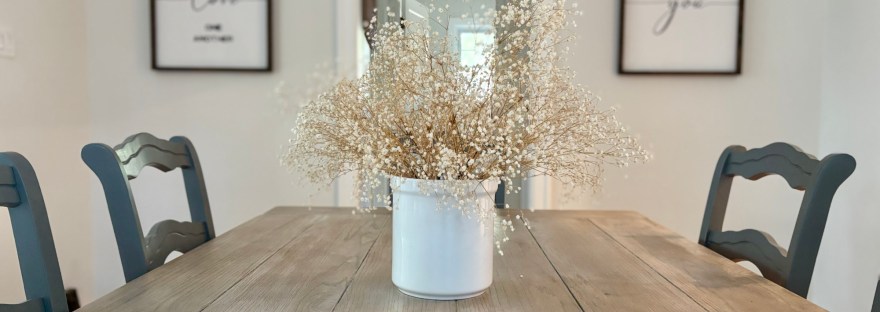
What makes a house feel like a home? It is the beauty or the familiarity? The functionality or the sense of history and hospitality? It is the expression of creativity or of individuality?
As someone who has worked in the custom home building industry, I’ve had the incredible privilege of helping to bring homes of all shapes, sizes, styles and budgets to life. I’ve walked through extraordinarily beautiful homes furnished with the highest end finishes that still felt cold, and others that felt warm and personal, full of moments and memories of the families that live there. I’ve seen modest homes that felt like a treasure chest of inspiration and wonder, and others that felt lifeless. What sets these homes apart isn’t the size, budget, architectural style or even how beautiful or trendy the decor is. It’s the way the various elements of a home work together to tell a story of those who live there.
It’s the collected things, the unexpected things, the handmade things, the treasured things, and the memorable things—the things that remind us of who we are, what we value, and what we want our lives to be about.
So then, how do we do this? How do we add personality to our spaces without just filling them with things? How can we create a home in a way that feels deeply personal and connected to our story?
While there are likely as many answers to these questions as there are people on this planet, today I want to share with you the methods I’ve learned and adopted over the years that have helped us to create a home that feels collected, personal and uniquely our own. And my hope is that these tips can equip and inspire you as well as you create a space that feels like home.
1. Keep a “Swipe File”
This is something I’ve done for years, but didn’t have words to explain until I read Austin Kleon’s Steal Like An Artist. Essentially, a “swipe file” is where you keep the ideas and inspiration you encounter in your daily life. Its purpose is not to copy other people verbatim nor to compile a shopping list, but to aid you in discovering your own taste and to fuel your creative endeavors. It could be artwork you are drawn to in a hotel, an interesting wall treatment you see on a magazine cover, a captivating use of materials or textures in a window display, or a fabulous tile design you notice in that hip new restaurant’s washroom. Snap a photo and keep it in your “swipe file” for later.
Your swipe file can be stored wherever works best for you. I generally prefer to keep my swipe file in my phone’s camera roll as I find some of the best inspiration and ideas as I am out and about. It could be a color combination you love, a space that evokes a certain kind of feeling, a particular material or layout or composition—take photos of anything you feel inspired by. This will help you notice what you notice and over time, you’ll start to notice pattens in the things you save. Those patterns can tell you more about your own style and preferences than any decorating quiz ever could. The intersection of all these ideas will become an incredible source of inspiration for you to draw from as you begin to create a home that is uniquely your own.
2. Break It Down
There is nothing more overwhelming than staring at an entire home wondering how on earth to make it look good. Time and time again I’ve had friends say that they would love to do something with their home, but don’t know where to begin. It is paralyzing and daunting, two guaranteed ways of stifling any glimmer of creativity.
If I had only one tip to share, it would be this: don’t think about your entire home all at once. Don’t even think about an entire room at once. Break it down wall by wall, one sightline at a time.
Think of where you spend the most time. If it’s your living room, sit on the couch, look straight ahead, and think: What do I want to look at when I sit here? How do I want it to feel? And how can this space serve our household in our normal, everyday life? Yes, it’s really that simple. You’ll begin to see the spaces you spend the most time in differently—as blank canvases of possibility and creativity, rather than simply spaces to fill.
3. Start With a Blank Slate
Now as you sit there on your couch pondering these questions, you may find it helpful to reduce the objects or decor in that sightline down to a blank slate. I find it much easier to think about what a space can become when it is paired back to the only the things that are non-negotiable and truly need to go there (i.e. large pieces of furniture that can only fit in that one spot or built-in architectural features). This enables you to see that space with fresh eyes and, in turn, see more easily what may be missing (or what you can leave out).
Removing all the other decor from that sightline also has the added benefit of providing a filter for everything you will eventually bring back into the space. As you consider what to incorporate back into that sightline, ask questions like:
Do I actually love this?
Does this serve a purpose? (Remember, beauty can be a function as well)
Does this help to tell our story?
Does this belong here?
Don’t rush this processes. Sit with it empty for a few days or a few weeks. Go back to your “swipe file” and let those ideas and inspiration really sit with you until you come up with a plan you love.
4. Make a List
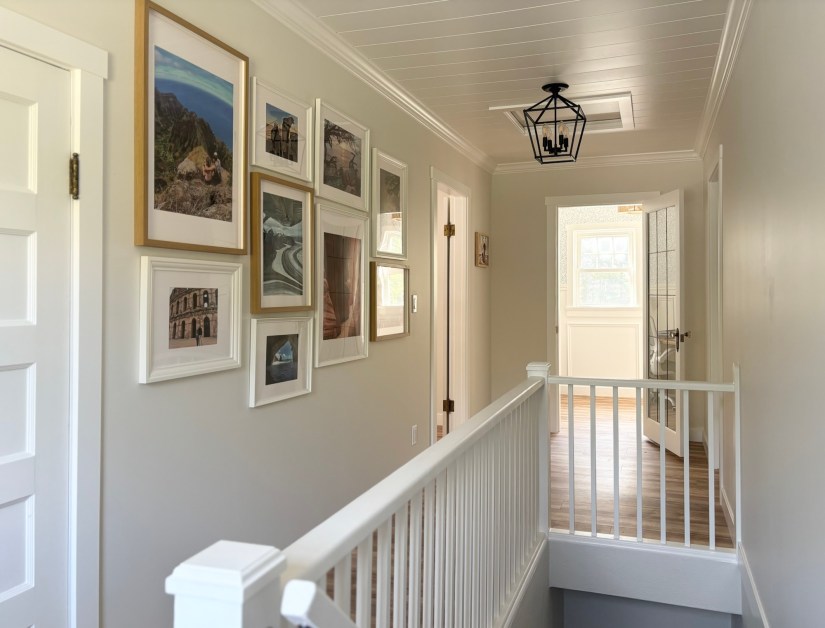
Once you have some ideas for your space, make a list of what you could do or find to bring that vision to life. Would you like to create a gallery wall? Note the size of your wall and the styles and rough quantities of picture frames you would love to find for it. Are you considering hanging a large piece of artwork? Note the style, color scheme and rough size of artwork you will need. Do you want to find an antique hutch or buffet table? Note the minimum and maximum dimensions and any particular features you would like it to have. Keep a running list of the items you would love to find or create for your space and be as specific as you can.
When it comes to decor, size and scale matter. If you aren’t sure what size of artwork or decor will work best for your space, or if you are wondering if a single painting will look better than a few smaller pieces, use painter’s tape to mock up your ideas on the wall. (Personally, I tend to learn towards using as large of pieces as I can, but it will depend on the particulars of your own space and style.) Live with the mock up for a few days and see if there’s anything you want to change about it and then take note of what you decide.
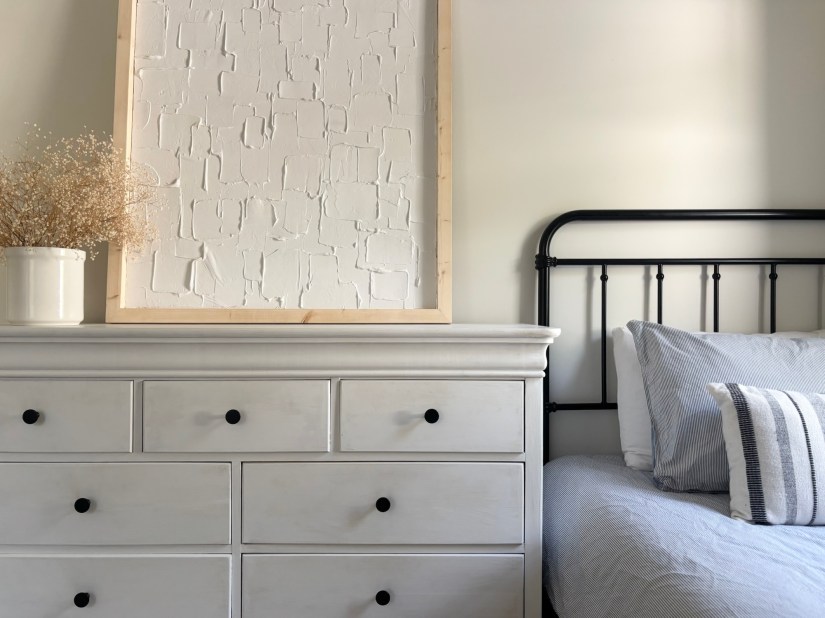
5. Create What You Can
Over the years I have found that one of my favorite ways to add personality to our home is to create what decor we can. It started out of necessity when we lived in northern Manitoba and I wanted to decorate our little apartment, but didn’t have access to home decor stores. I started DIYing our own home decor and discovered how much I enjoyed it.
Now we live much closer to the city where we can easily purchase whatever decor we are looking for, but I still prefer to create what I can as I find it makes those pieces much more personal and uniquely our own. They are the pieces I tend to value most in our home and have become parts of our history and household that we will treasure for many more years to come.
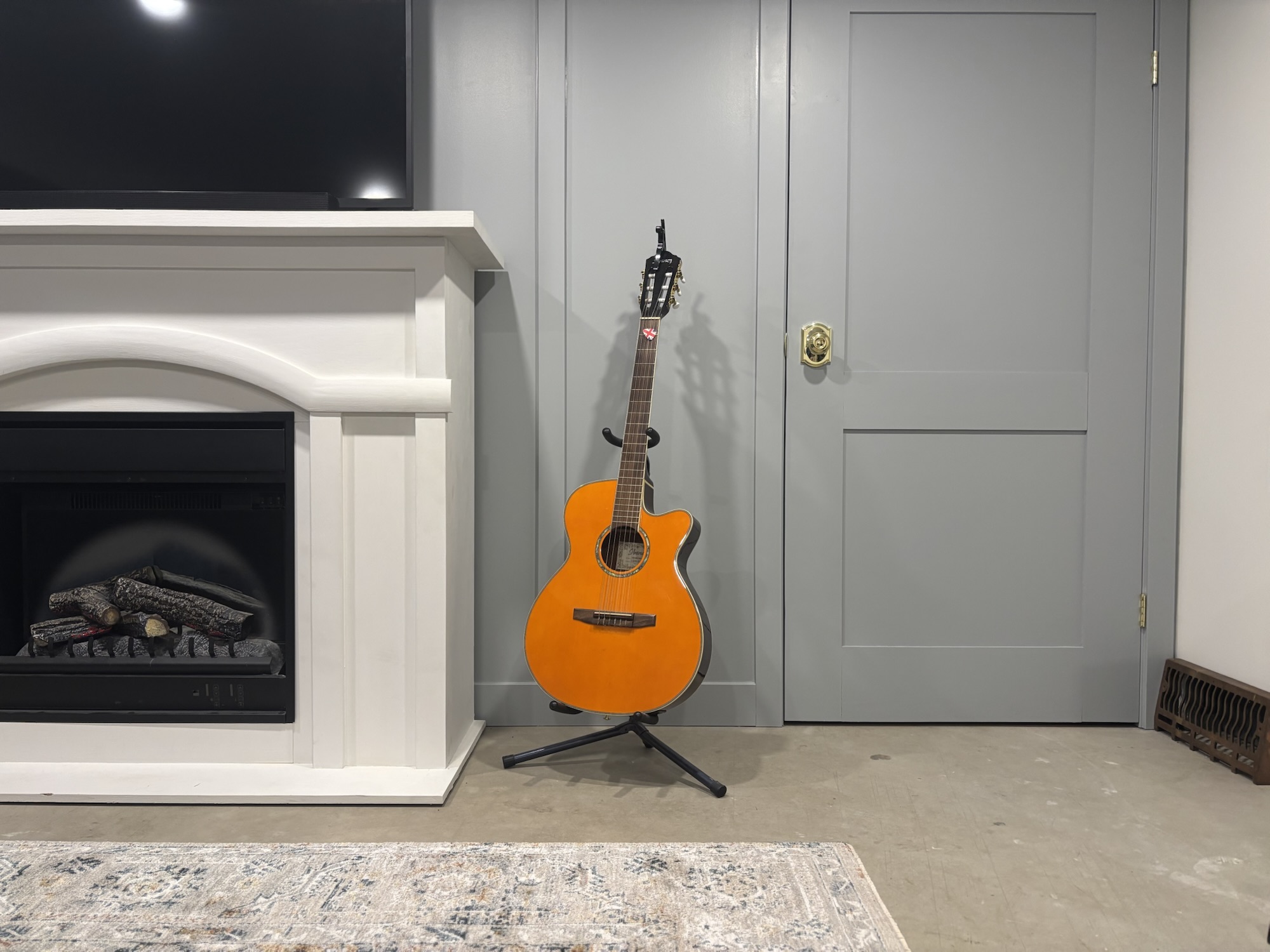
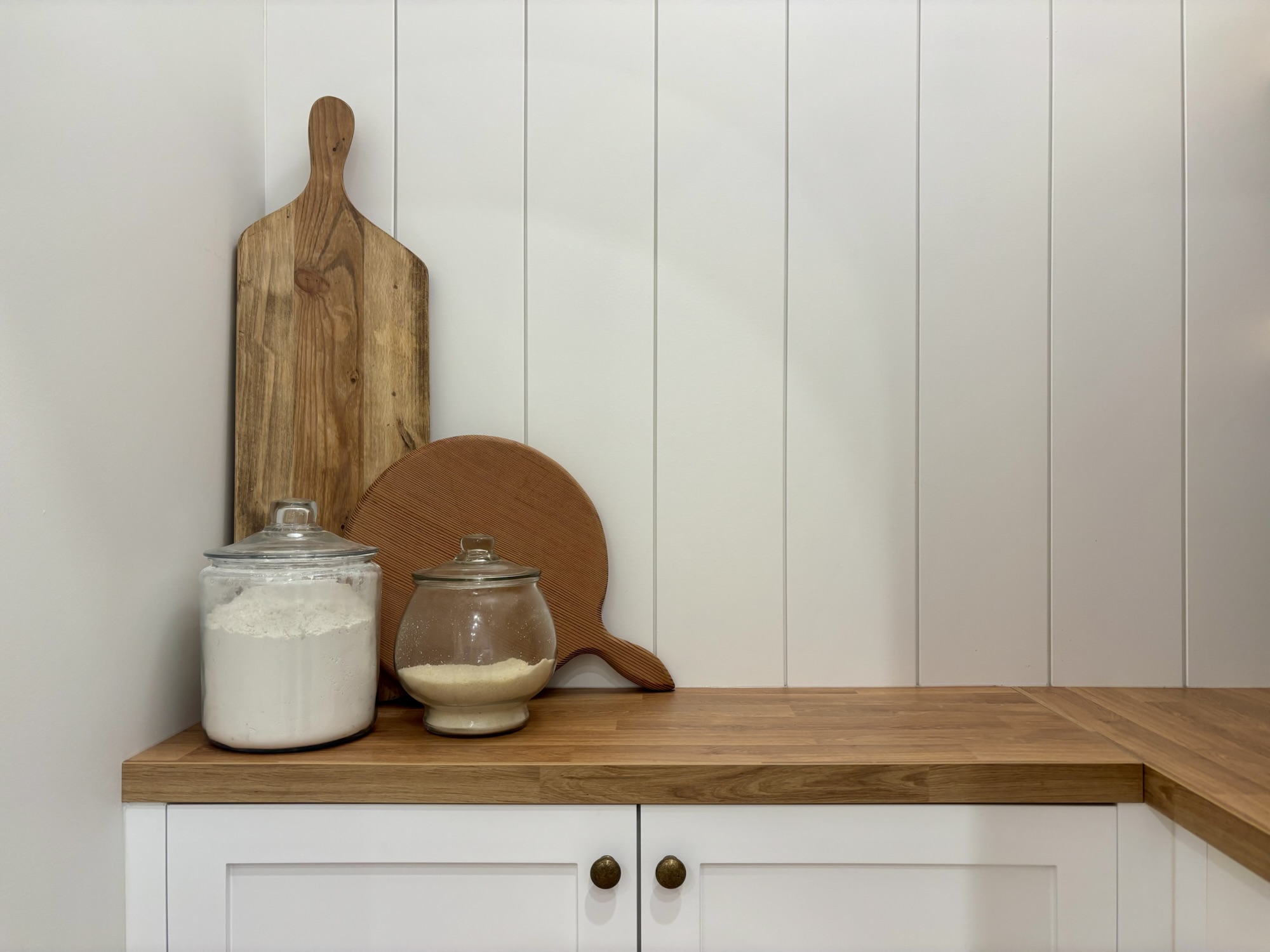
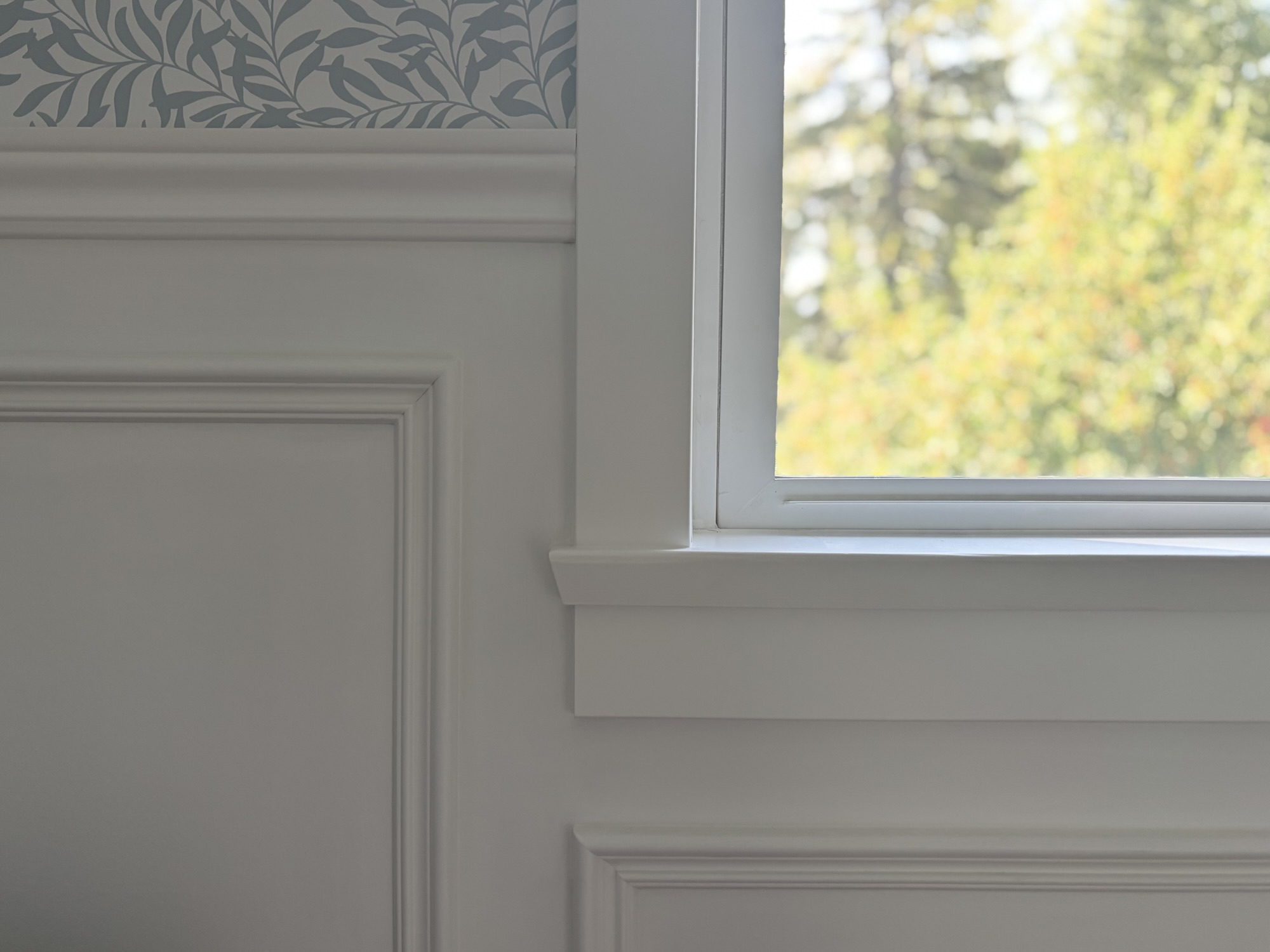
6. Consider Wall Treatments
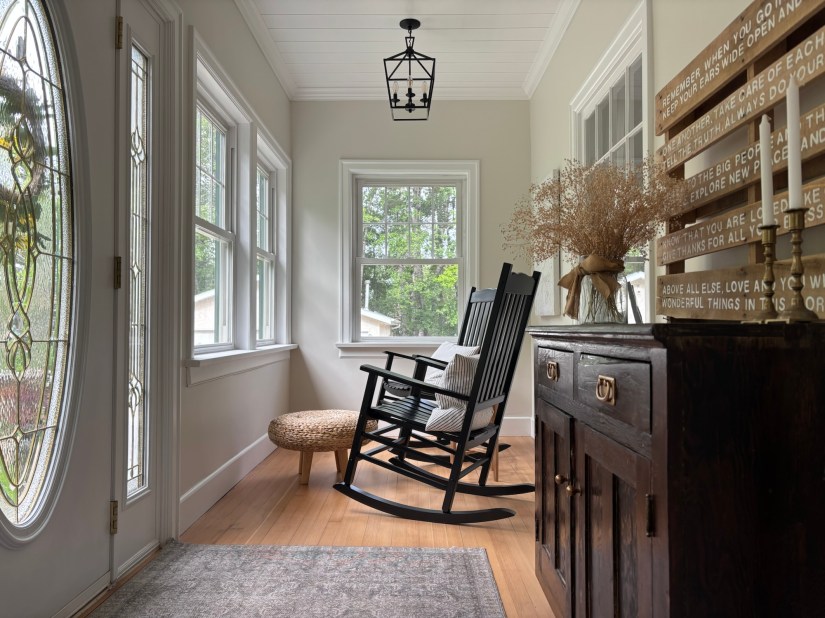
Another way to “create what you can” is to incorporate wall treatments or finishes to your space. These could include everything from wallpaper, to board and batten, to decorative moldings, shiplap or barnwood, or even crown molding. When we renovated, we decided to use a number of wall (and ceiling treatments) to help highlight the charm and character of our 1938 home. We’ve installed tongue and groove shiplap and crown molding to the ceiling of our sunroom and upstairs hallway, vertical shiplap to our coffee nook, wallpaper to our office and primary ensuite, chair railing to our office and water closet, and board and batten to our basement media room. Each of these treatments has helped to add character and visual interest to these spaces without actually adding more stuff.
One thing to note is that with wall treatments, it is generally best to consider the architectural style of your home. For example, traditional moldings may look out of place in a mid-century modern home, while a fin wall with clean lines would tie in exceptionally well. The reason for this is that you want the wall treatment to feel like it belongs in your home—like your home would be utterly incomplete without it. Don’t get me wrong. I’m a huge fan of mixing and matching decor styles (see tip #10), but when it comes to more permanent wall treatments, it is generally best to align them with your home’s architectural style.
7. Source What You Can’t
The key to sourcing items for your home is to shop with a plan. This is where your list comes into play. Before heading into a store, take a peek at your list. This will help you focus on the items that you are actually looking for and that you know will work for your space. Sure, some of your ideas may need to pivot based on what is available, but sourcing with a plan will help you to curate your home with intention and focus.
Regarding where to source from, there are endless places you can shop for home decor, but thrift stores, Habitat for Humanity’s Restore, and Facebook Marketplace are at the top of my list. The reason for this is that retail stores typically carry what is currently trending, meaning that their decor can quickly feel dated and it tends to look the same. For some things, it might make sense to source new, but if you are looking for pieces that are genuinely unique or want to find something that you may not have otherwise considered using, one of these other options is the way to go. It might take longer and may require multiple visits or searches to ultimately find what you are looking for, but it is far better to live with an empty wall for a few months than to buy something you only sort of like because you feel like your wall needs something on it immediately.
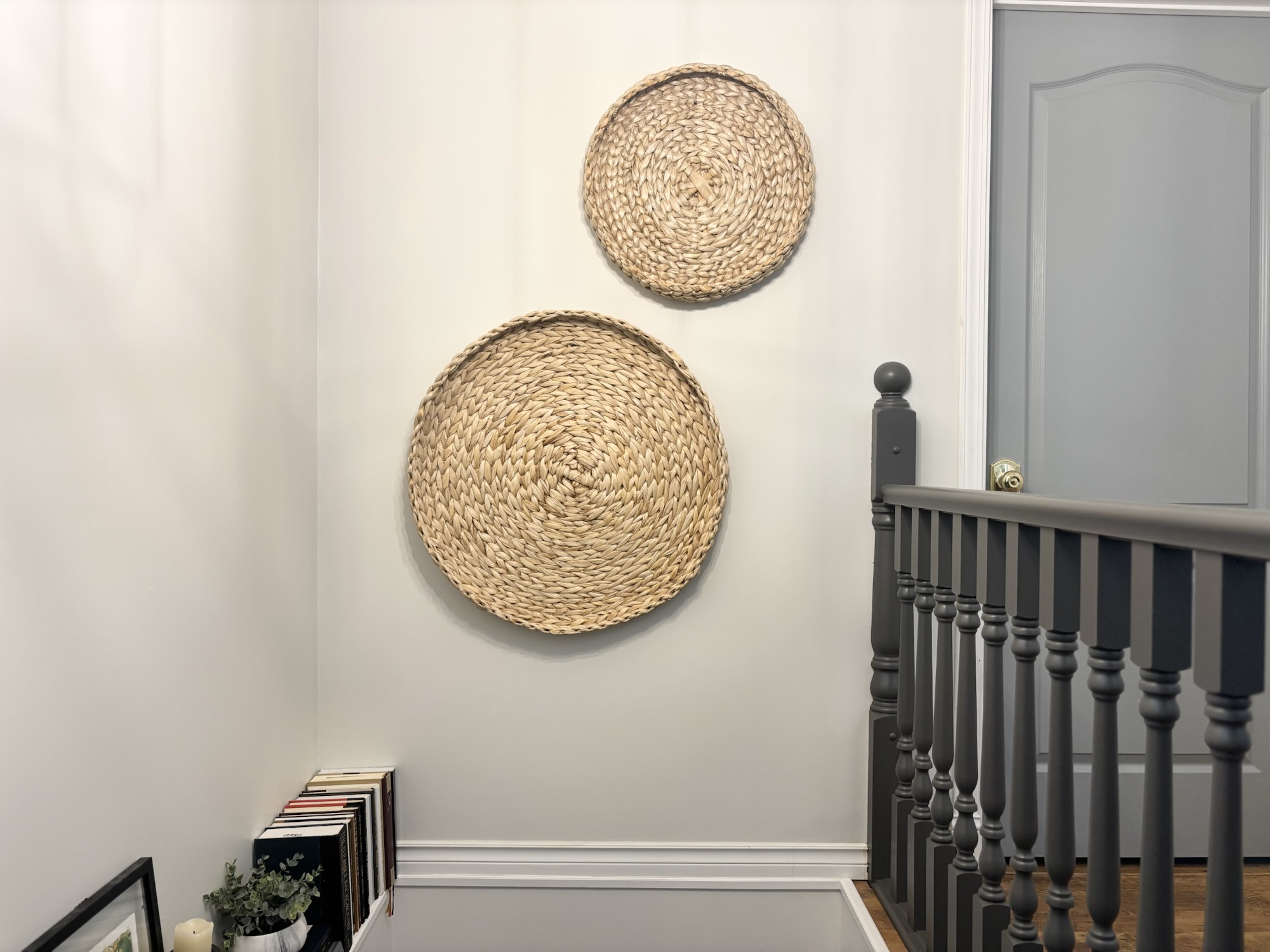
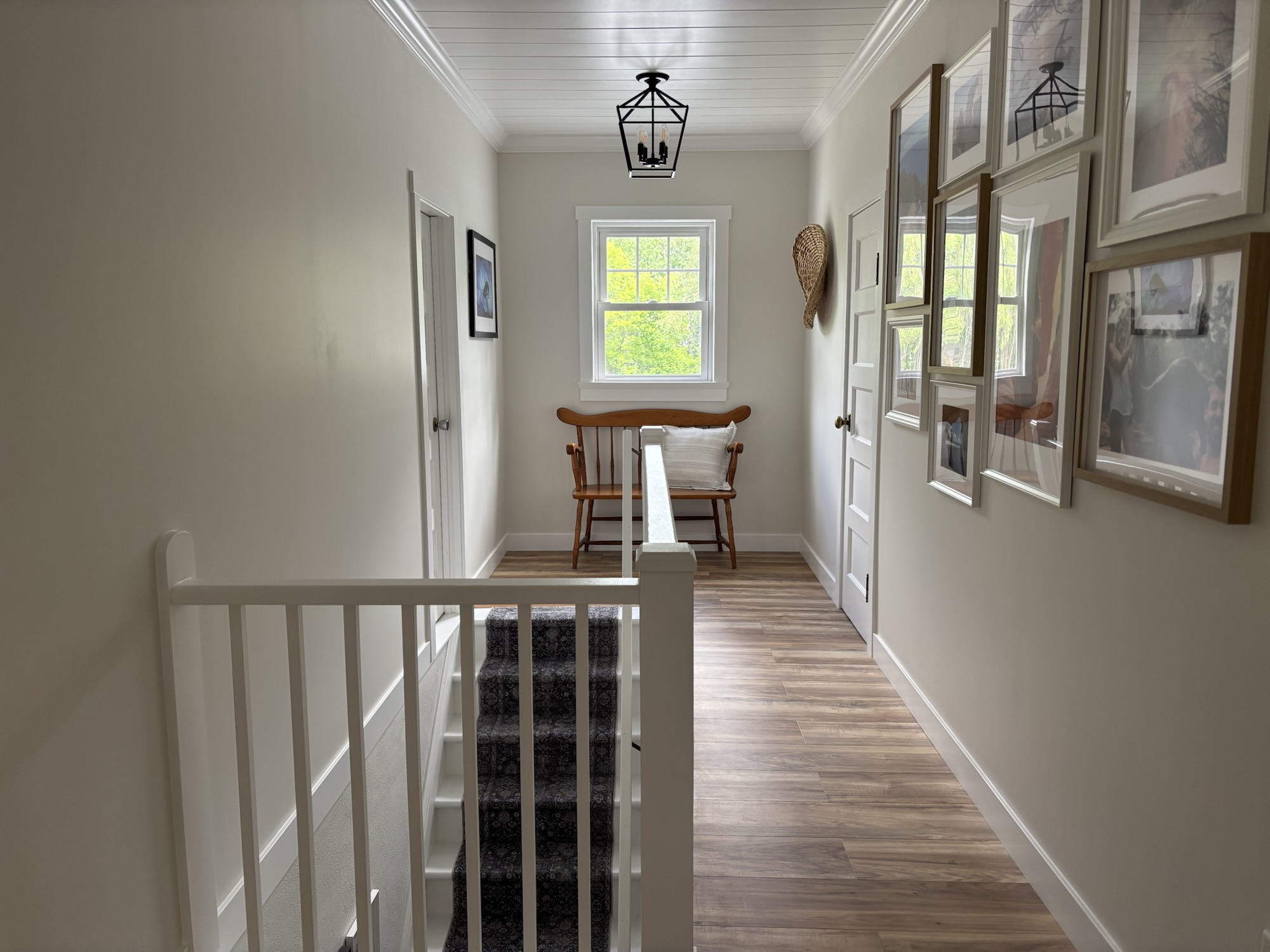
When it comes to thrifting or buying second hand, I do make an exception to the principle of shopping with a plan when I find a larger piece of art or item of scale (i.e. a large basket, side table, etc.). The reason is that I may not know exactly what I will do with it, but I can generally find a home for it without it feeling knickknacky or sitting unused in a closet for years. The key is making sure it fits with the color palette and style of your home. An example of this are the large woven baskets currently hanging in the hallway above our stairs. I found them at the Restore for $5 and immediately knew I needed them. I didn’t yet have a plan for them, but they were so large and so cool that I knew I could find a place for them.
8. Reuse & Reimagine
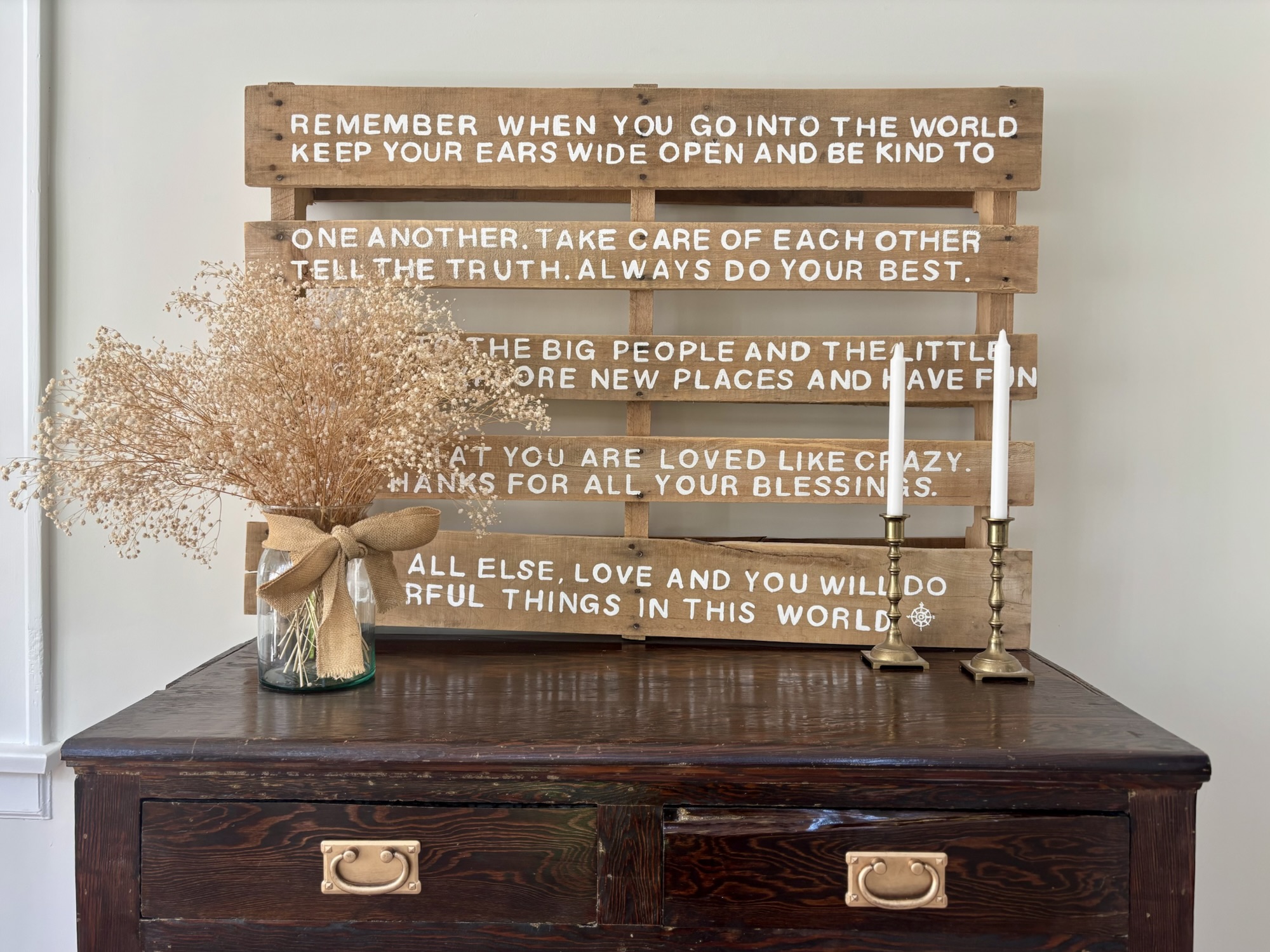
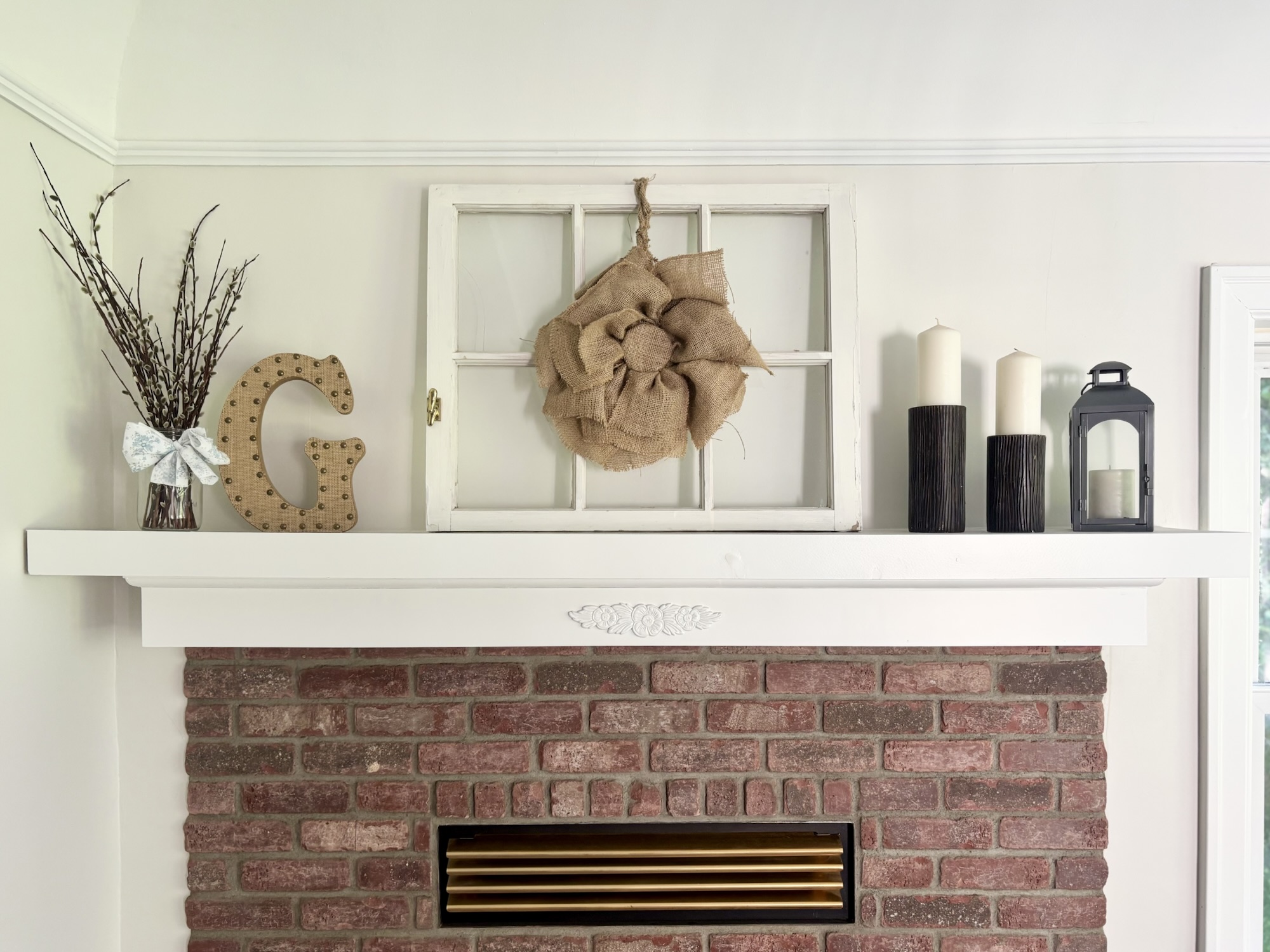
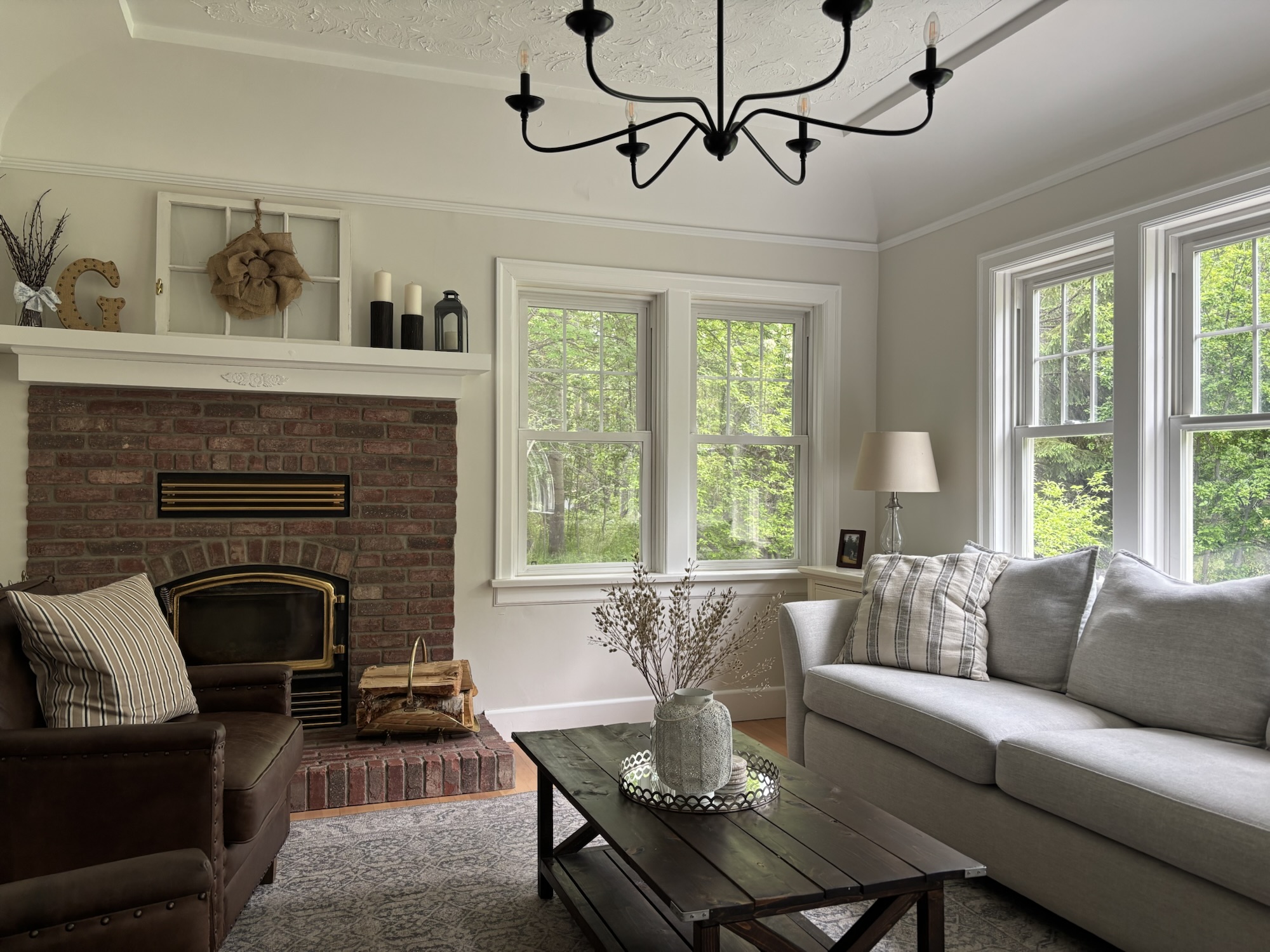
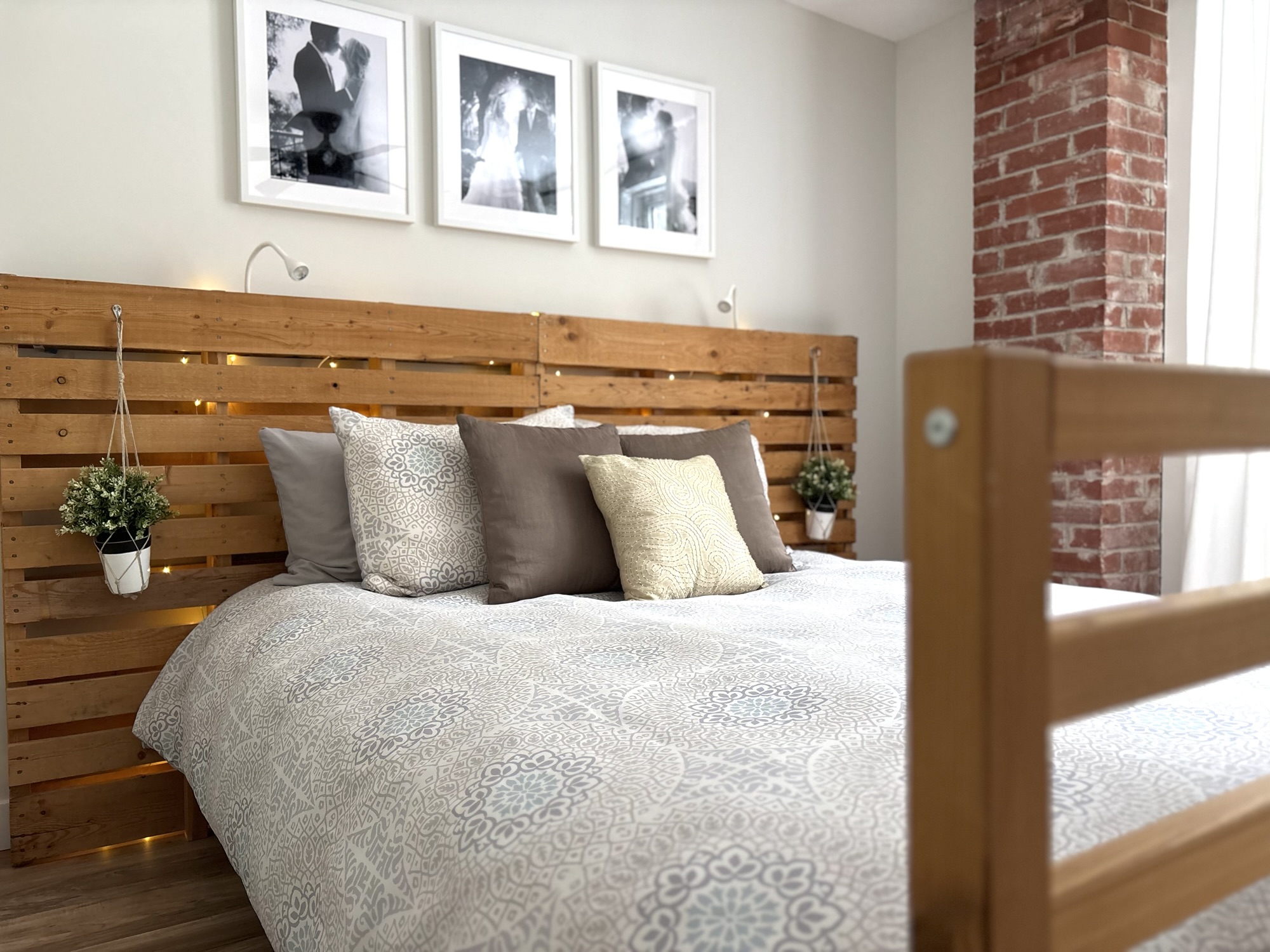
As you source decor, keep a lookout for items that can be reused and reimagined. Consider how items can be used in an unexpected way in your home to add visual interest and personality to your space in a way that is uniquely your own. Throughout our home, you will find baskets hanging on walls, an old window perched on our fireplace mantle, string art above our reading nook and even a pallet headboard. These unexpected and reimagined items are a part of what gives our home its own unique personality.
9. Go Outside
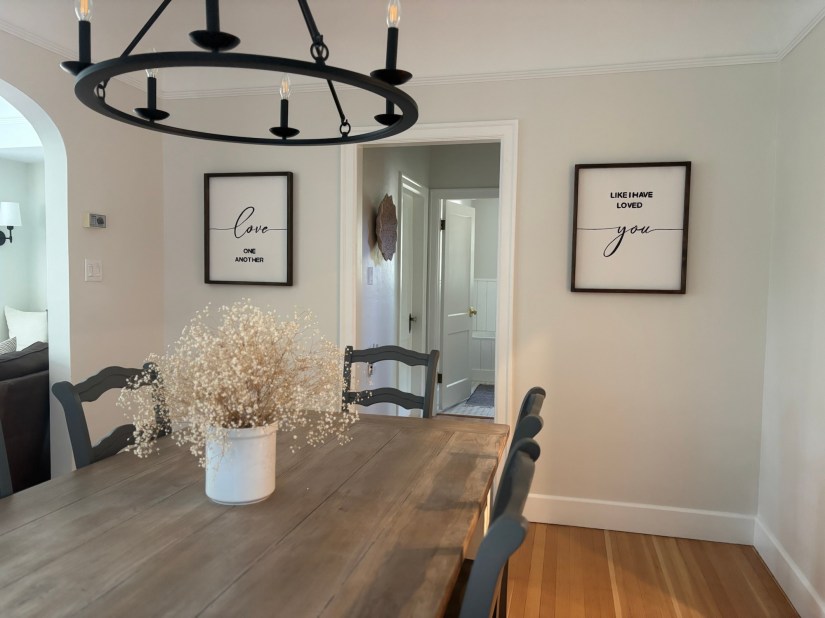
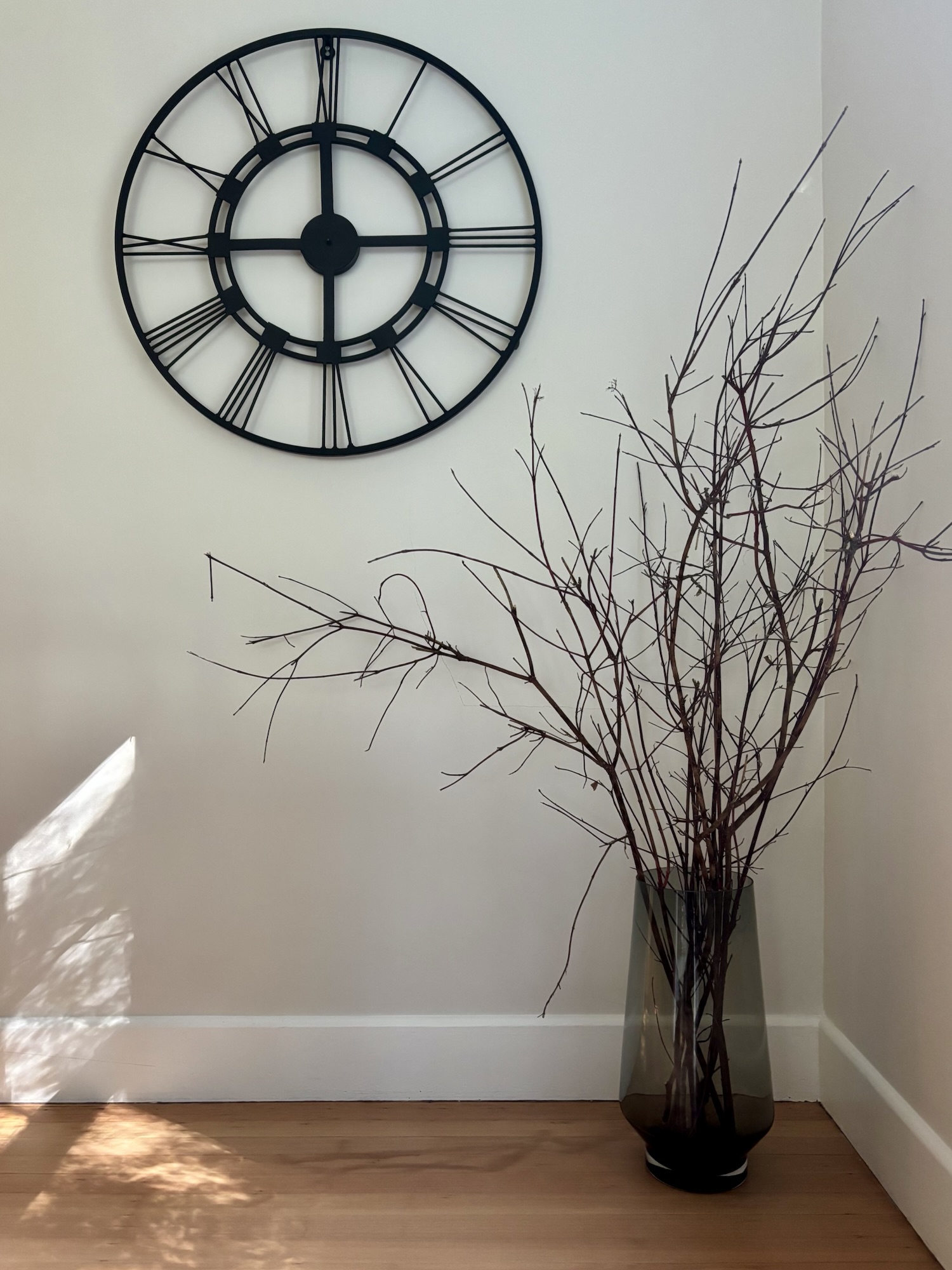
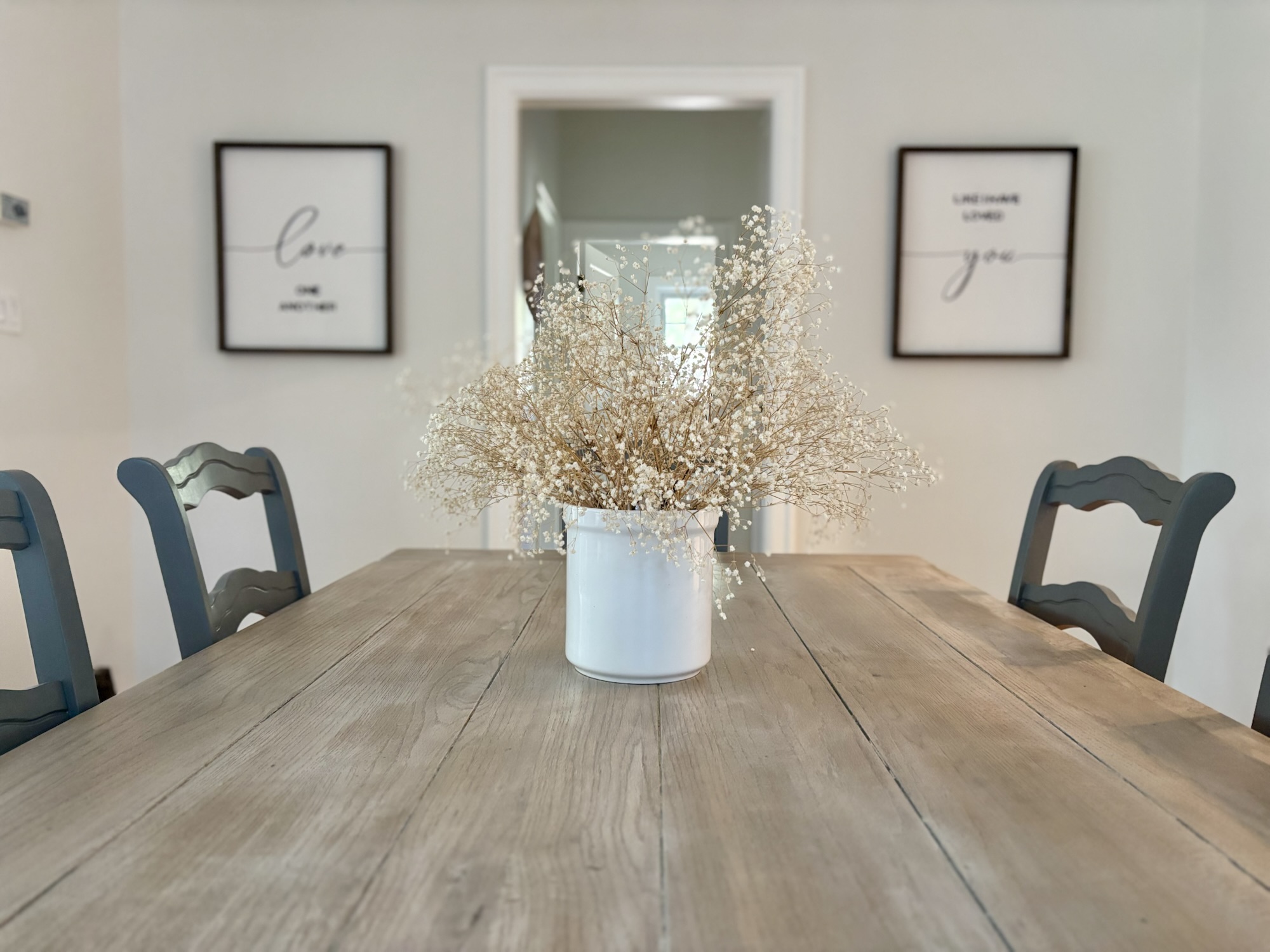
One of my all-time favorite sources for decor is right outside in the great outdoors. In the summer, I fill vases with wildflowers and other greenery. In the fall, I forage sticks and dried foliage and stems. In the winter, I cut boughs from spruce and pine trees and use them for mantles, centerpieces and porch decor. And in the spring, I place jars of dried baby’s breath throughout our home. On walks, I generally keep an eye out for foliage or flowers (on public property, I might add) and then grab my scissors if I find something interesting to use fresh or dry. And the best part is that it is totally free.

10. Mix & Match Styles
And as I mentioned above don’t be afraid to mix and match styles. In fact, I think the mixing and matching is precisely what makes it your own style versus some one else’s. In our home we have a wide range of decor styles (everything from very traditional to cottage farmhouse to organic modern and Scandinavian and modern rustic), but the colors and tones are what bring it all together. This doesn’t mean everything has to match; rather, look for common threads in colors, tone, material, scale, or simply the feeling a piece brings to the space.
Because our decor doesn’t fit neatly into one style or another, it has been able to flex and flow with our changing preferences over the years. Trends come and go. Some I love and incorporate bits and pieces of into our home and others I could do without. But over the years, I’ve learned to notice what my husband and I love and what brings us joy, and I create, curate and collect accordingly. And this approach has been what keeps our home from feeling trendy or quickly dated, even though we’ve had some of our decor for over 10 years.
At the end of the day, creating a home that feels like your own is less about finding the perfect decorating style or filling every empty corner with something beautiful and instead about paying attention to what you love, what brings you joy, what tells your story, and what makes your everyday life feel a little more like home.
Some of those things will be handmade. Some will be thrifted. Some will be collected over many years. Some may simply be beautiful things that make you happy every time you walk past them. And some spaces may remain unfinished for a while as you wait for the right thing to come along.
And that’s the beauty of a home. It doesn’t have to be figured out all at once. Start with one little corner. Pay attention to what you pay attention to. Make something. Move something. Leave a wall empty. Wait for the right thing. And little by little, you’ll begin to create a space that feels like home.

You Might Also Enjoy
- The Gift of Home: A Kingdom Perspective on Creating Spaces
- The Right White: How to Choose a White Paint Color You’ll Love
- Finding Joy in the Journey: How This House Became Home
- Creating a Cohesive Home: Which Paint Colors We Chose & Why
- Crafting a Home: Our Journey Through DIY Hallway Updates
Join The Journey
Subscribe to receive new posts and occasional notes from This Darling Adventure, with stories, ideas, and encouragement for cultivating a beautiful life, one small, intentional step at a time.
 This Darling Adventure