
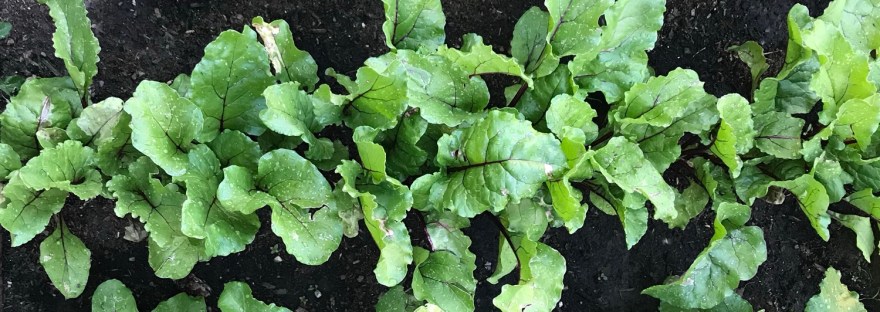
One of my favorite parts of each growing season is dreaming and planning what will fill our garden beds in the months ahead. Seed packets scattered across the table, rough garden sketches, and seedlings taking over every corner of our home have become one of the sweetest rhythms of spring.
This year we are growing a wide assortment of fruits, vegetables, herbs and flowers – some dependable favorites we return to year after year and others we’re attempting for the very first time. In this post, I’m sharing all the varieties we plan to grow this season, along with some practical tips, gardening successes and a few experiments I’m especially excited about.
Pumpkins & Squash
Over the years, some of my favorite things to grow are pumpkins and squash. I find it is remarkable that a little seed can produce a larger-than-life plant with an astounding amount of fruit. Yet despite the incredible yields of produce, we can always seem to find more fun ways to cook and bake with pumpkins and squash throughout the year. This season, we wanted to try our hand at growing some new varieties, as well as some tried and true favorites, including:
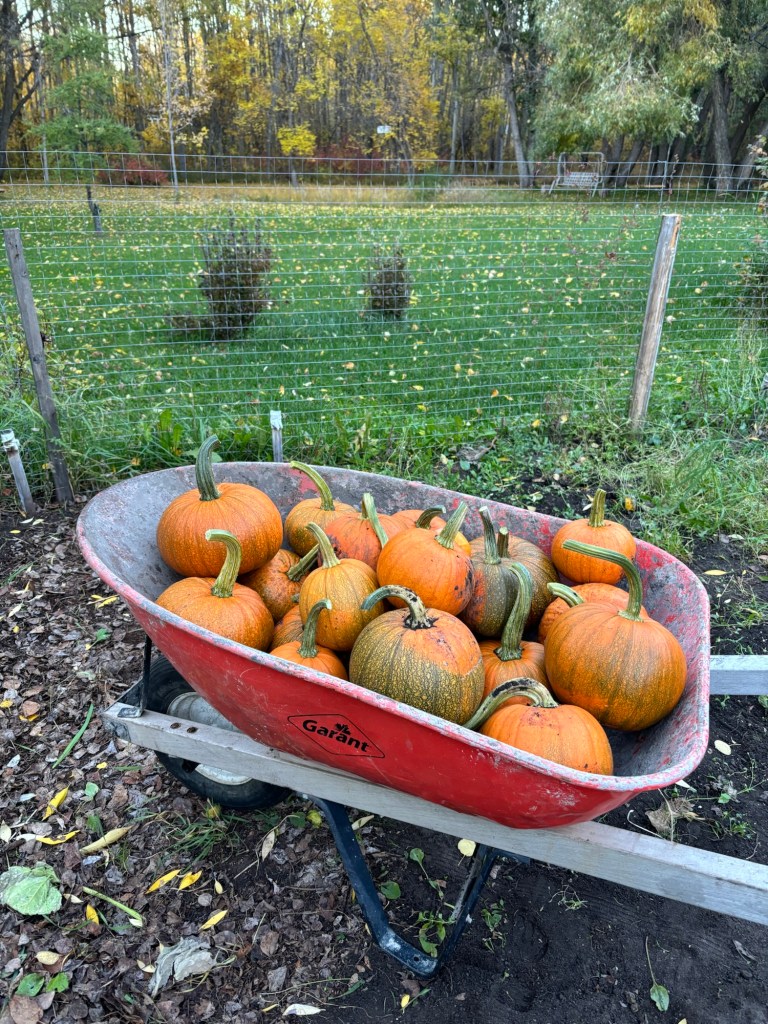
- Table Queen – This heirloom acorn squash has sweet, bright yellow flesh and excellent storage ability.
- Hamilton – These vining butternut squashes have incredible flavor and great storage ability.
- Black Beauty – Growing as large, upright plants, this zucchini variety produces beautiful fruits with white flesh and delicious flavor.
- Small Sugar – These small heirloom pumpkins have a sweet flavor, perfect for canning and pumpkin pie.
- Vegetable Spaghetti Squash – This will be our first year growing these squashes, known for their fruit resembling cooked pasta, but I am excited! If cured correctly, these should last for months in storage, perfect for warm pasta dishes as we transition into the colder months.
- Moranga – I’m also looking forward to both cooking and decorating with this new-to-us variety of pumpkin, known for its sweetness, pleasant texture, and stunning pinky orange exterior.
Onions
Last year was the first year we attempted to grow both white and red onions from seed and it was a huge success! The onions grew well and the varieties selected have held up in our cold storage over winter. And it’s been incredibly fun to enjoy our own home-grown onions in our cooking. So, when dreaming about this year’s garden, we knew we wanted to include a variety of onions in our plans. This year we are growing the following varieties:
- Red Wing – A red onion with dark red, glossy skins and excellent flavor.
- Patterson – A firm, white onion that stores exceptionally well through the winter.
- Conservor – In addition to the above tried and true onion varieties, we are also growing these dark, rosy skilled shallots known for their incredible flavor and great storage potential.
Roots
One of the easiest vegetables to grow in our climate are root vegetables and we love planting a variety of them wherever we can. These can also be direct sown as soon as the soil is workable, making them a go-to choice for spring gardening. This year the varieties we are hoping to plant are:
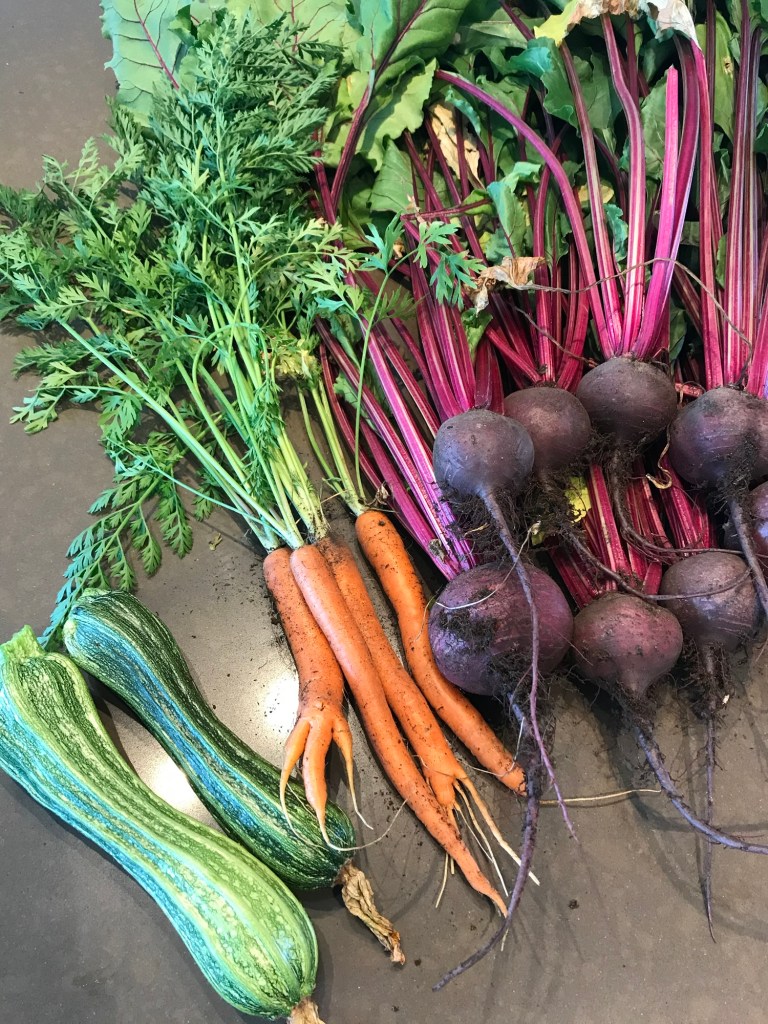
- Beet Blend – I was a bit indecisive when it came to which type of beets to grow this year, so this was a perfect option with its colorful and delicious blend of beet varieties.
- Early Wonder Tall Top – We also had some seeds from this beet variety (known for its tasty green leaves, red stems and sweet flavor) leftover from last year and will plant these out in the garden again this year.
- Easter Egg II Blend – I’m also looking forward to this colorful blend of radishes, complete with shades of white, pinks, reds and purples.
- Rover – These radishes were a classic choice for the garden with their globe shape, crispy texture and mild flavor.
- Rainbow Blend – No multi-colored root crop would be complete without an array of colorful carrots and this blend was the sure choice for our garden this year.
Greens
I love planting a wide variety of greens in the garden to use for all sorts of salads, smoothies and other dishes. We typically direct sow most of our greens as soon as the soil is workable, but do find that starting kale indoors under grow lights earlier in the season gives it a good head start. Here are all the greens we are looking forward to having in the garden this year:
- Arun Organic – A variety of kale with heavily-frilled dark blue-green leaves and long straight stems.
- Lacinato – An elegant variety of kale known as “Dinosaur Kale” because of its distinctive and prehistoric-looking long, dark green leaves.
- Prizm – A compact and speedily-growing variety of kale, particularly suitable for container-growing.
- Super Gourmet Salad Blend – As with our colorful assortment of root veggies, I love a colorful mixed salad and opted for this salad blend, which combined five popular lettuce varieties with a wide range of colors and leaf shapes.
- Rhubarb Chard – This heirloom variety of Swiss chard is both beautiful and delicious with its bright scarlet stalks and dark green leaves.
- Magenta Sunset – Another variety of Swiss chard I am excited to grow is this one with deep green leaves and hot pink stems (yet another expression of my affinity for colorful veggies).
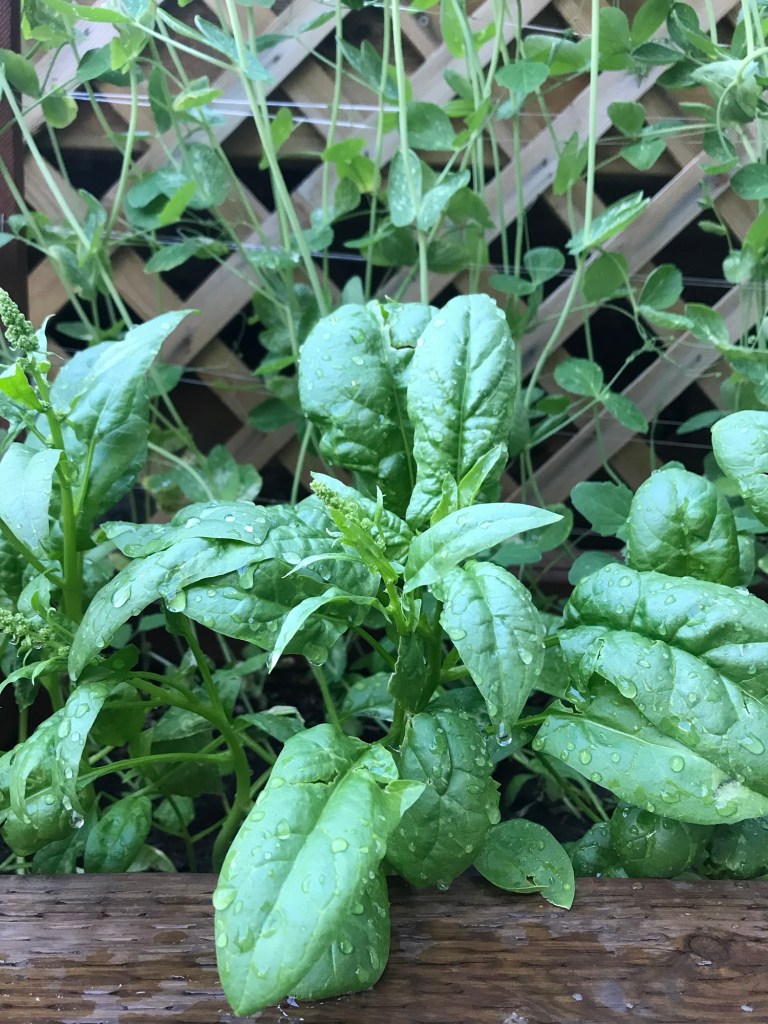
- Renegade – This spinach is a slower-growing variety, making it an excellent option for being able to enjoy long into the growing season.
- Astro – Arugula is one of my favorite greens to harvest for salads, sandwiches, and pizza of all kinds and this variety does not disappoint. With a mild, nutty and peppery flavor, it is perfect for harvesting as microgreens, baby greens, and at full maturity.
Tomatoes
There is truly nothing better than snacking on deliciously sweet tomatoes fresh from the garden. This year we have big dreams for our tomatoes and our hope is to be able to enjoy them both fresh in the summer months as well as canned throughout the winter. Think: all things tomato (salsa, ketchup, BBQ sauce, tomato paste, tomato sauce, etc.), but made from scratch. With that, we are planting a number of varieties, including:
- Sweet Million – Easy-to-grow, deliciously sweet, vining cherry tomatoes that are hard to resist snacking on.
- Manitoba – A determinate variety perfect for slicing or preserving, that grows well in cooler climates with shorter seasons.
- Supremo – A Roma tomato variety, packed with flavor perfect for sauce-making or canning.
- Toma Verde – These hardy tomatillos are great for an array of Mexican-inspired sauces, salsas, soups and dips.
Herbs
One of my all-time favorite things to grow in the garden are herbs. There is something so special about going out to the garden while making dinner, snipping off some fresh sprigs and incorporating them into dishes of every kind. We also dried herbs for the first time last year to use over winter and are definitely looking forward to doing more of that again over the months to come. This year, we are growing a number of perennial as well as newly planted herbs, including:
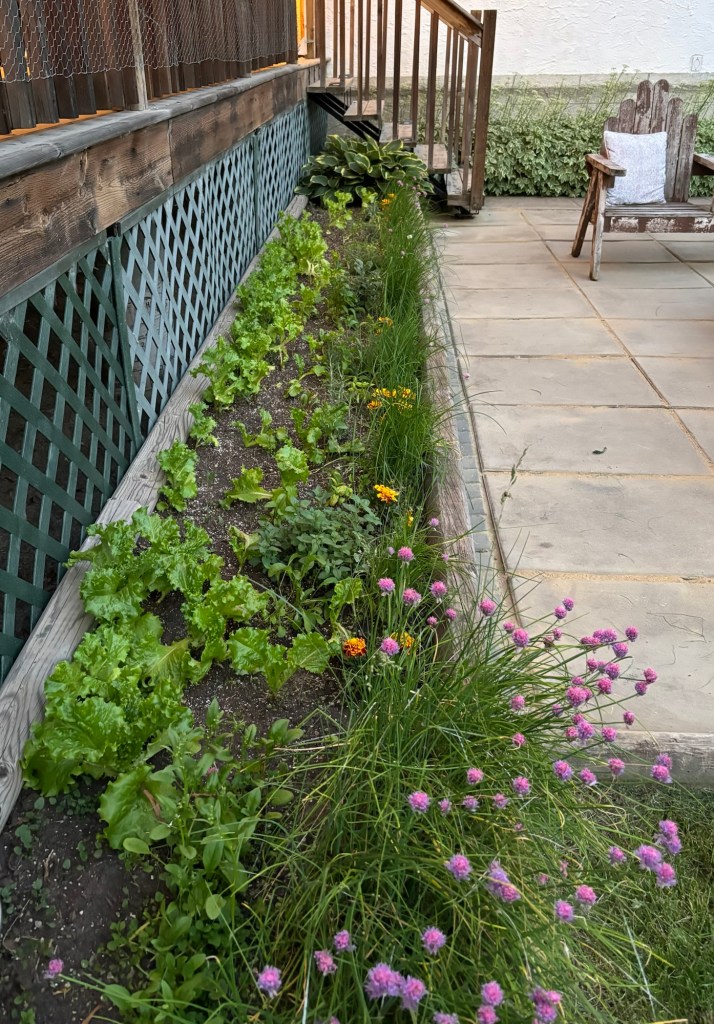
- Ella – This compact and bushy dwarf variety of dill is great for container growing, with all the wonderful fragrance and flavor of larger dill plants. I’m looking forward to planting this in some pots as well as some of the smaller raised beds bordering our patio this year.
- Basil – We’ve had some success growing basil from seed, but have found that we’ve had the most success when we transplant already matured basil plants purchased from the store. We typically purchase the large basil planter from Costco and then break apart the individual plants from the planter and transplant them throughout our garden beds.
- Mint – This is another herb that we have found easier to purchase and simply transplant. One thing to note about mint, though, is it will take over wherever you plant it. We typically plant our mint in large pots, where they can grow by themselves.
- Cilantro & Parsley – We’ve not had much success with growing either cilantro or parsley, so we also plan to purchase some matured plants of both and transplant them into the garden, helping to kickstart the growing season.
- Oregano, Thyme, Rosemary, Sage, Chives – These are all perennial herbs we have growing in our garden and they come back year after year. We harvest these herbs to use fresh throughout the summer months and then dry them to use in the winter.
Peppers
We are also planning to plant a variety of pepper plants in the garden this year. Now, to be honest, we’ve never had much success with growing peppers in the past, but this year we’ve focused more on providing our seedlings with the nutrients they need and they are thriving. My dreams of homemade salsa may in fact come to fruition with the following varieties:
- Twingo – These bell peppers produce large, abundant fruit that can either be enjoyed as green peppers or matured to a vibrant yellow.
- Jalapeno M – When green, these peppers can be enjoyed fresh, pickled or cooked in sauces. If ripened to red, the peppers can be dried and smoked, also known as chipotle peppers.
- Spicy Slice – This is another extra-large variety of jalapenos with great flavor and excellent spice.
- Pepperoncini – These peppers grow on compact plants and can be enjoyed both fresh and pickled. One of our all-time favorite uses for these is to chop up pickled pepperoncinis as a topping for homemade pizza.
Flowers
Another plant we’ve been enjoying growing from seed are flowers, some of which we direct sow in the summer and others we start indoors throughout the spring. In addition to adding color and beauty to our garden, many of the flowers we plant are both edible and act as excellent companions for many vegetables. The flowers we are planting this year are as follows:
- German Chamomile – These petite daisy-like flowers can be used fresh or dried for teas and many other medicinal purposes.
- Nasturtium – These flowers are a great companion for brassicas, cucumbers, melons, radishes and tomatoes. They are also edible and can be torn over salads or frozen in ice cubes to elevate any drink.
- Calendula – This variety can be planted with both tomatoes and asparagus, repelling a number of bad nematodes in the soil. Their long-stems also make them perfect for floral arrangements, while their edible pedals can add color to summer time meals.
- Marigold – These colorful and edible flowers grow great alongside a variety of plants, as they kill soil nematodes and repel whitefly. Be sure not to plant them near beans or cabbage, as they can stunt growth and lead to smaller yields.
- Snapdragons – The long stems of snapdragons make them superb for floral arrangements. They also help to attract pollinators, making them a great companion for other flowers and herbs.
- Zinnias – Zinnias are another stunning cut flower, offering multiple cuts throughout the growing season. They attract pollinators beneficial to plants like basil and tomatoes, while helping to repel pests like aphids and whiteflies.
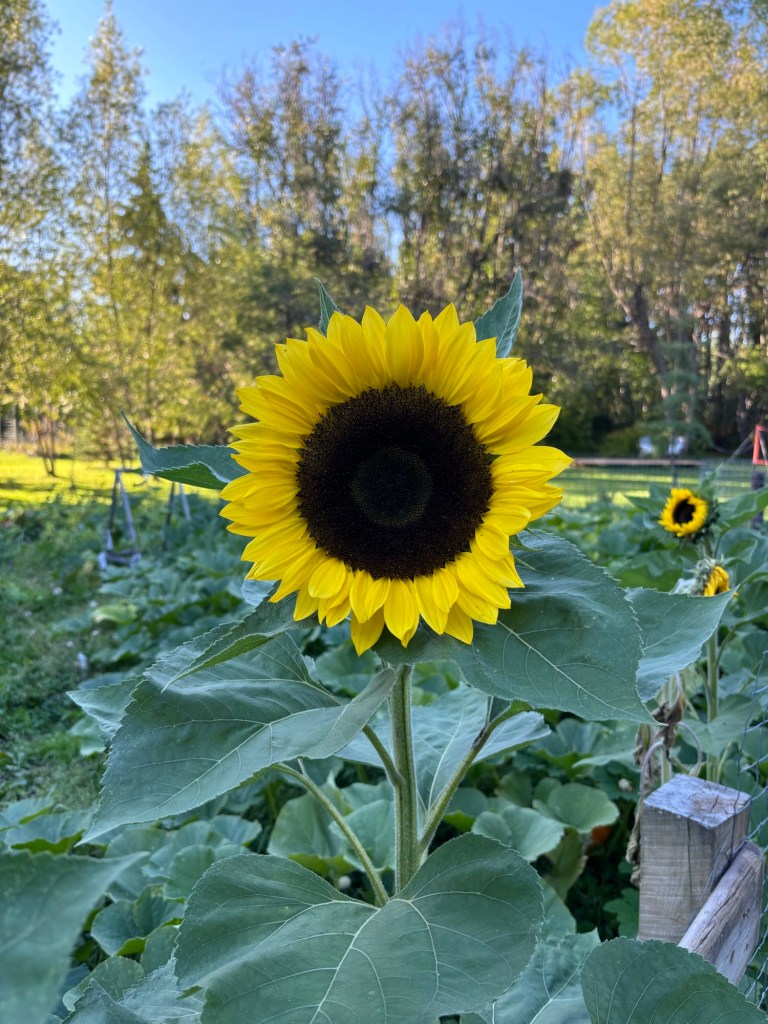
- Sunflowers – This year we will be planting a few varieties of sunflowers, including this Peredovik variety, which produces both black oil seed and is a top choice for feeding birds. Companion plant these with squash and pumpkins to attract beneficial pollinators.
Other Varieties
A few other miscellaneous varieties of fruits and vegetables we are planning to grow this year are:
- Halona Cantaloupes – These cantaloupes are known for their incredible aroma and flavor and are exceptionally resistant to diseases like powdery mildew and fusarium wilt.
- Manny Cucumbers – This variety of cucumber has smooth-skinned fruit with wonderful flavor and texture, perfect for summer snacking.
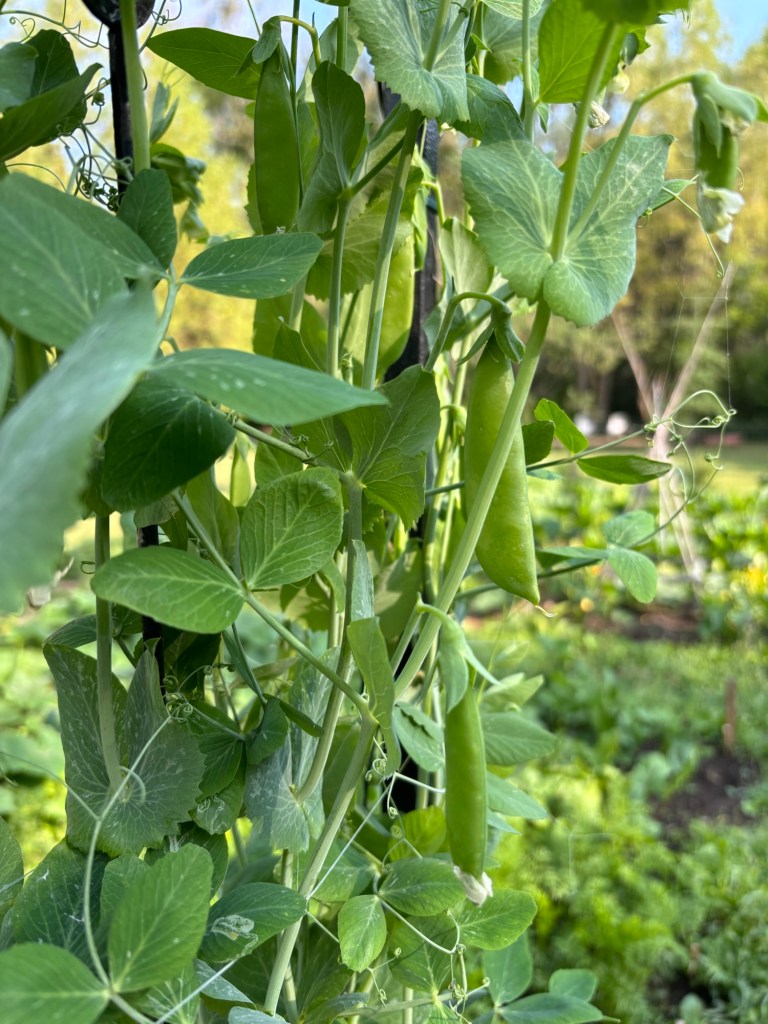
- Super Sugar Snap Peas – Snap peas are always a favorite summertime snack as well, with their sweet taste and satisfying crunch.
- Dragon Fennel – This will be our first year trying to grow fennel, which I’m very excited about. Its heavy, bright white bulbs are sweet and juicy, making them perfect for a variety of dishes.
- Ferrari French Beans – These delicious French filet beans with their slim, stringless pods develop early on and can be grown in containers.
As much as gardening is about growing food, I’ve found it is also about learning, experimenting and embracing each season as it comes. Every year brings new successes, new challenges and new varieties that quickly become favorites in both our garden and kitchen. I’m looking forward to seeing how this year’s garden unfolds in the months ahead.
If you’re planting a garden this year, I’d love to hear what you’re growing, any favorite varieties you return to year after year, or any new plants you’re excited to try this season. Feel free to share in the comments below!

You Might Also Enjoy
- The Ultimate Gardening Guide (Part I): Seed Starting & Care
- How It’s Growing: An Update From the Garden
- Savoring the Season: Simple Zucchini Recipes for Every Meal
- One-Day Patio Refresh: How a Few Simple Swaps Created a Backyard Oasis
- Faux Florals & Freedom: Learning to Choose the Best Thing Over the Everything
Join The Journey
Subscribe to receive new posts and occasional notes from This Darling Adventure, with stories, ideas, and encouragement for cultivating a beautiful life, one small, intentional step at a time.
 This Darling Adventure
2 thoughts on “What We’re Planting: A Peek at Our 2026 Garden Plans”